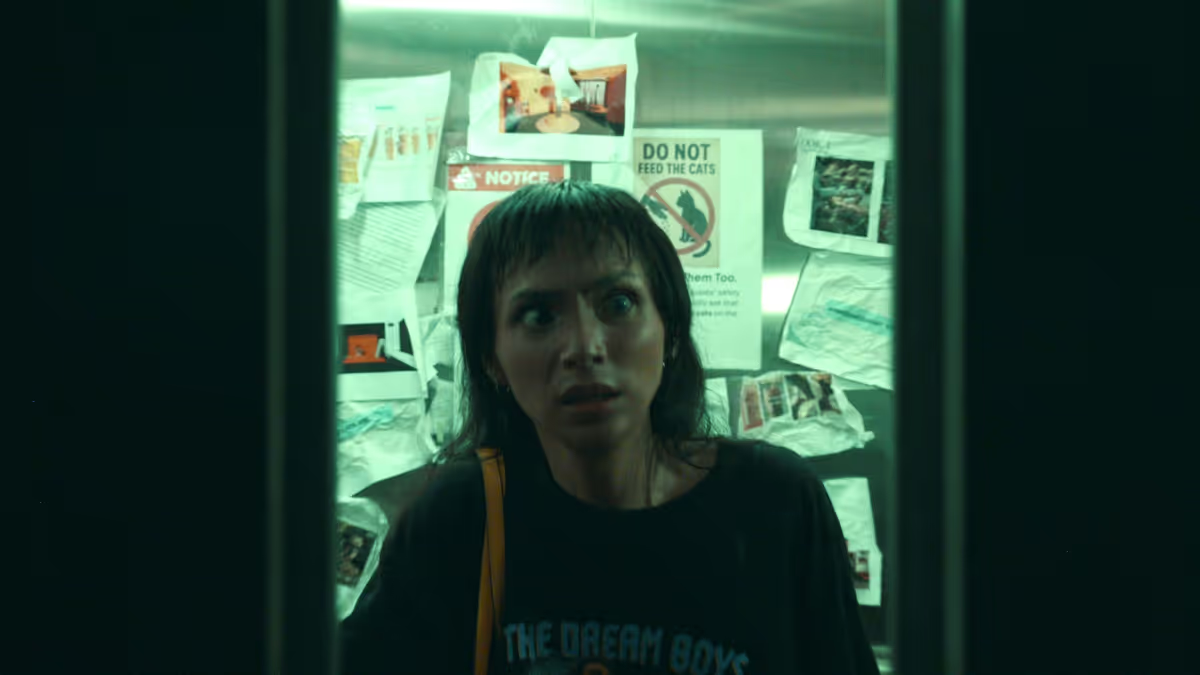

A DAY IN THE LIFE of a doll, according to Rodina Singh's Dreamboi: Wake up at the crack of dawn and immediately feel like a chick in a harpy's nest. En route to work, you'd hear yet another horrid news report about a sister who is ruthlessly slain for being trans. Then you punch in at work, where the hateful lot constantly misgender and mistreat you, and develop gallstones over insecure coworkers who deny you entry to the women's toilet. Which makes you skid down six flights of stairs to an unkempt basement toilet where, cautiously, you find respite. "How do you turn pain into something beautiful?" The graffitied walls ask on your descent.
All of this occurs in the first twenty minutes of the film, and it unravels in ways that lean into the absurdity of the daily oppressions that transpeople endure. Singh employs a feverish clash of colors, textures (both visual and auditory), and genres to underscore that—however frenetic or vibrant—existing in a world riddled with such transphobia is downright frightful, like...truly life-or-death scary. Viewers might find Singh's mix heady and her script didactic, but it's hard not to be taken by her film's immovable conviction. It almost seeps out of the frame; it asks, "You live for the dolls, but you won't let the dolls live?"
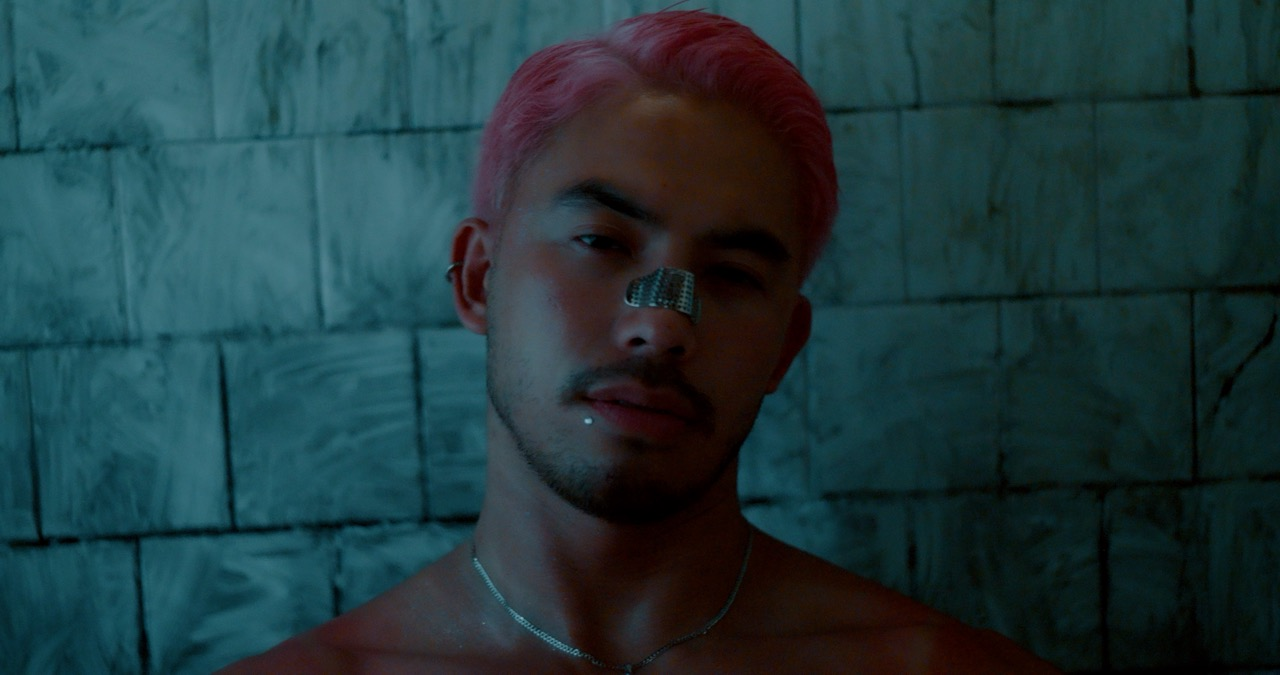
The clearest example of this comes from a long, uninterrupted shot of a young transwoman named Diwa (EJ Jarollina) descending to their building's dilapidated basement to relieve herself. She has to climb down because the government office where she works has effectively banned transwomen from using the women's toilet on their floor. And so she slinks down, certifiably horrified, to the B6 toilet, and Singh shows the full six minutes of her descent (call it a oner-to-boner, and leave Spielberg aghast!). There, she meets Dreamboi (Tony Labrusca), the pink-haired phantom of her wildest desires. Whether or not Dreamboi is physically there is uncertain, but Diwa takes it that he, too, comes there to commune with the same 'evils,' as his boyish moans and whimpers leave her groins trembling.
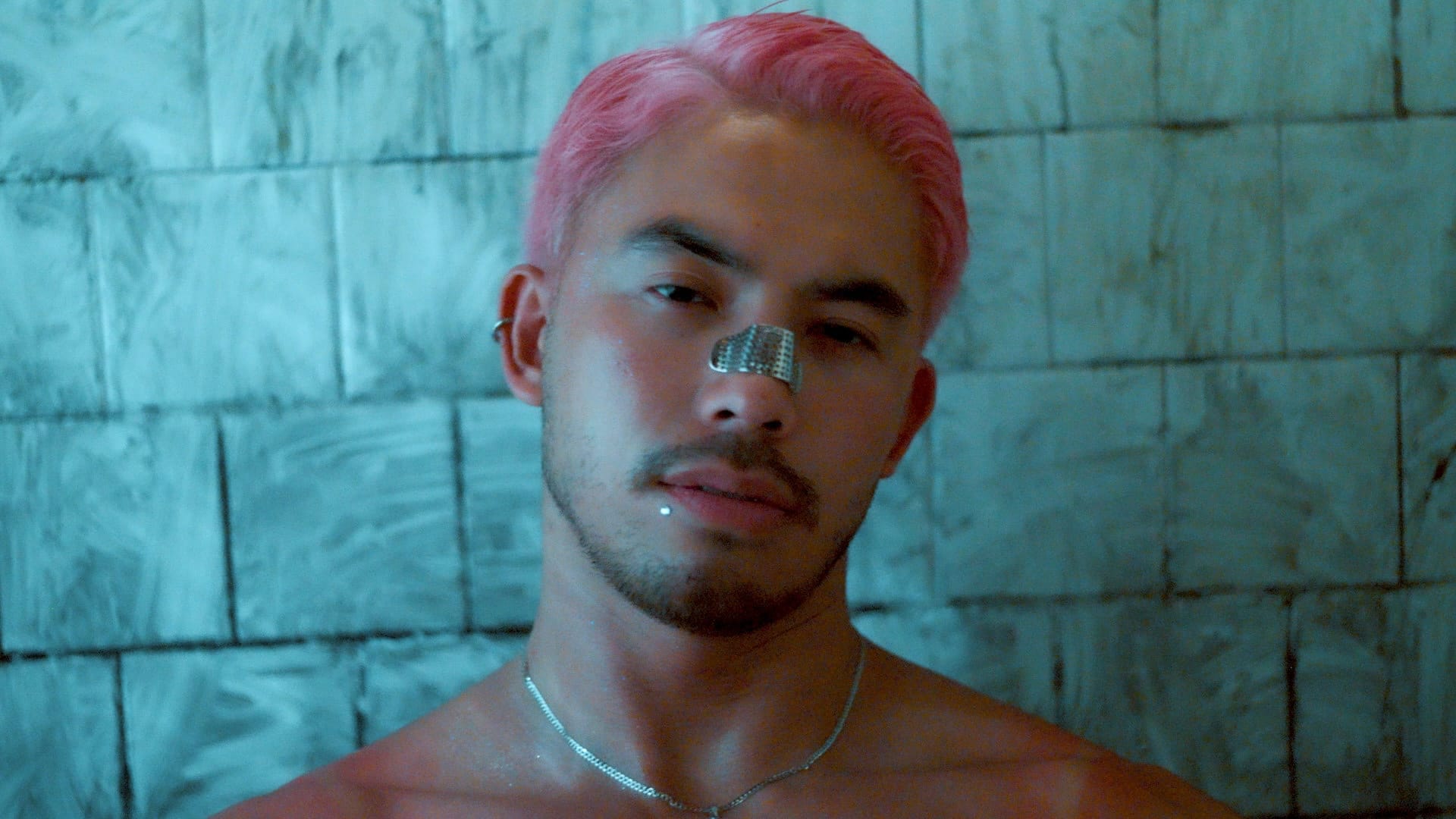
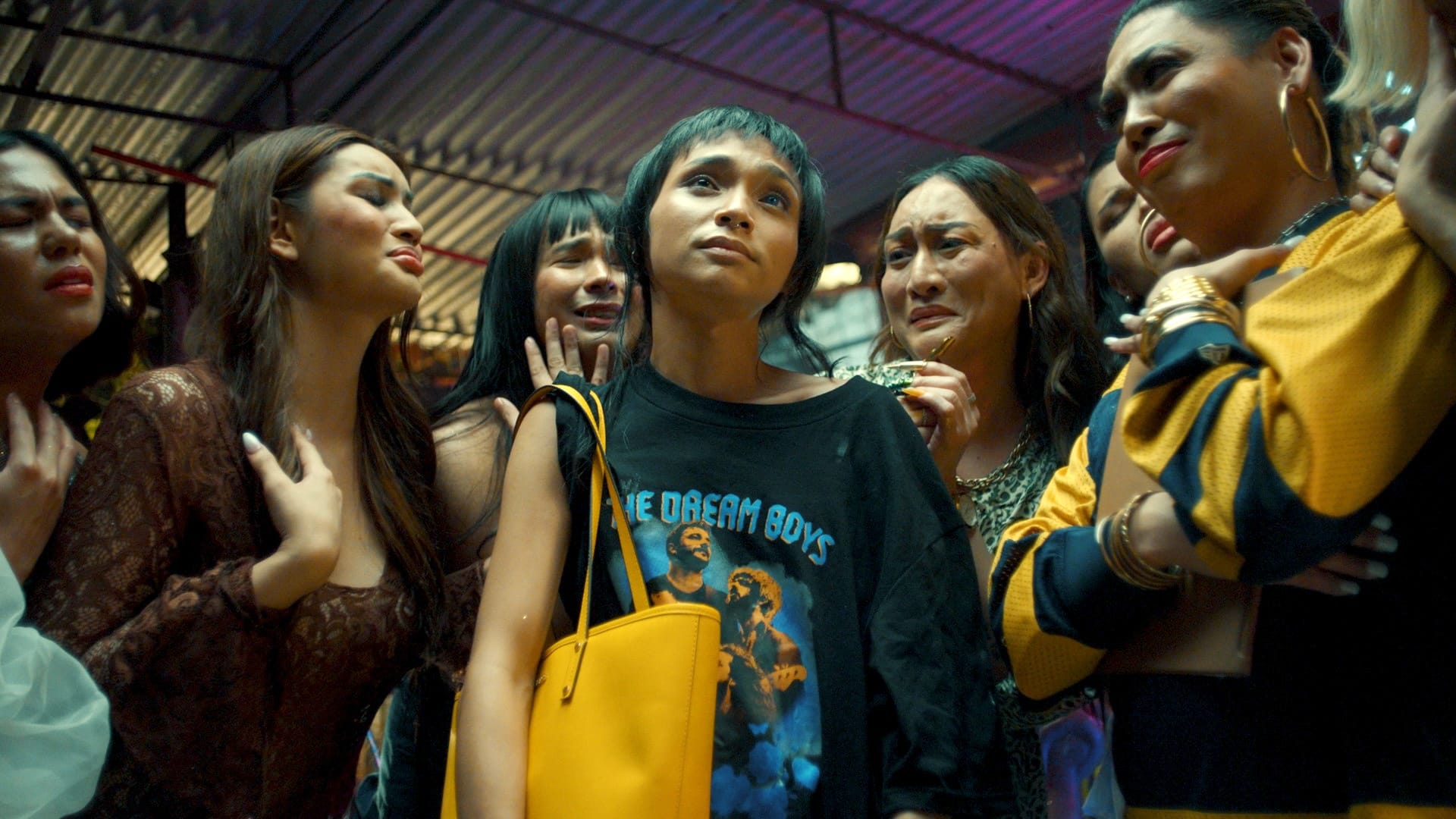
Dreamboi places great importance on incorporeal spaces. Alter culture gives queer and trans people the means to safely navigate the desires vehemently demonized by society at large. For Diwa, a wholly imagined, extracorporeal rendezvous with an ASMR porn star feels infinitely more intimate than having physical relation and risking her life IRL.
You see it manifest in Diwa's cautious body language even as Lilith (Jenn Rosa), a character presented by the film as the manifestation of all transwomen's desires, guides her hand to heed her body's yearning. And when a boy (Migs Almendras) seems genuinely smitten by her, Diwa skirts around the possibility rather than entertain it outright. It's a glum existence, and yet in Singh's world, we're witness to trans people's full lust for life, even with the little things, like crafting a beautifully painted press-on nail.
Singh seems also perfectly aware that her work can read crass. There are more gracious ways to open up conversations, but we shouldn't be so mute to not speak about them at all. During her talkback session at QCinema Pride, she shares that she doesn't know if she'll ever get another chance at telling a fully trans story, so to hell with avoiding sounding "preachy." You'll remember that the MTRCB all but axed the film with an X-rating during its initial run (they later rescinded it and gave the film an R-18 instead), so you'll see her perspective.
I find this candor endearing. Who cares if a picture is painted with big strokes if it paints a truthful picture? Dreamboi has plenty to say to anyone who's willing to listen (a lovely surprise, given that it premiered at last year's CineSilip, a film festival owned by Vivamax, the country's top softcore outfit), but in case it isn't yet clear, it's this: Live for the dolls, and let the dolls live.
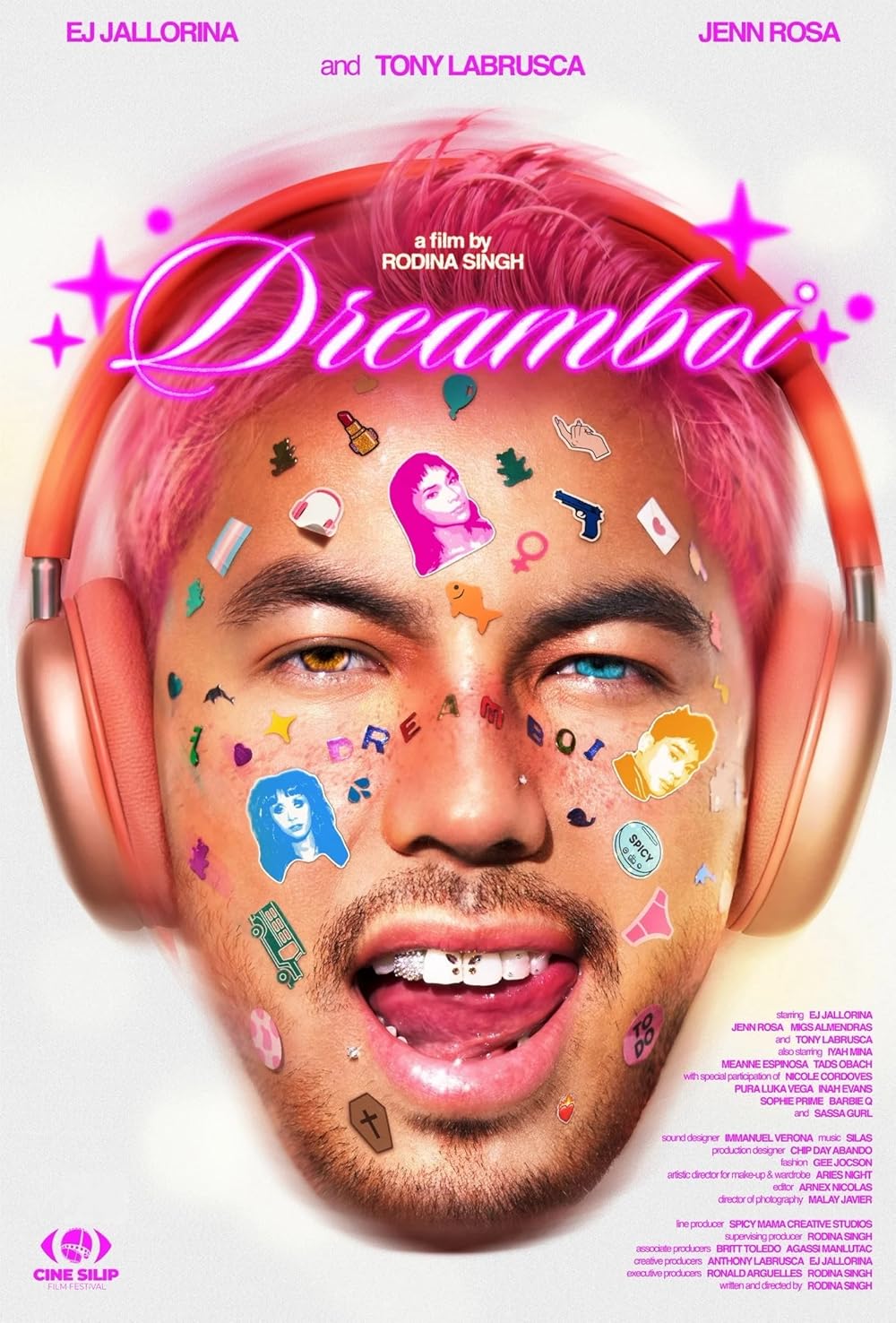
Dreamboi
dir. Rodina Singh | 2025 | Drama | 3.5
A transwoman becomes entranced by the voice of an underground audio porn star. Torn between fantasy and reality, she drifts through the neon haze of Quezon City on a journey of desire, pain, and self-discovery.
Frameline trailer for Sheron Dayoc's film, The Gospel of the Beast. ©CineSilip
 Unreel Staff