
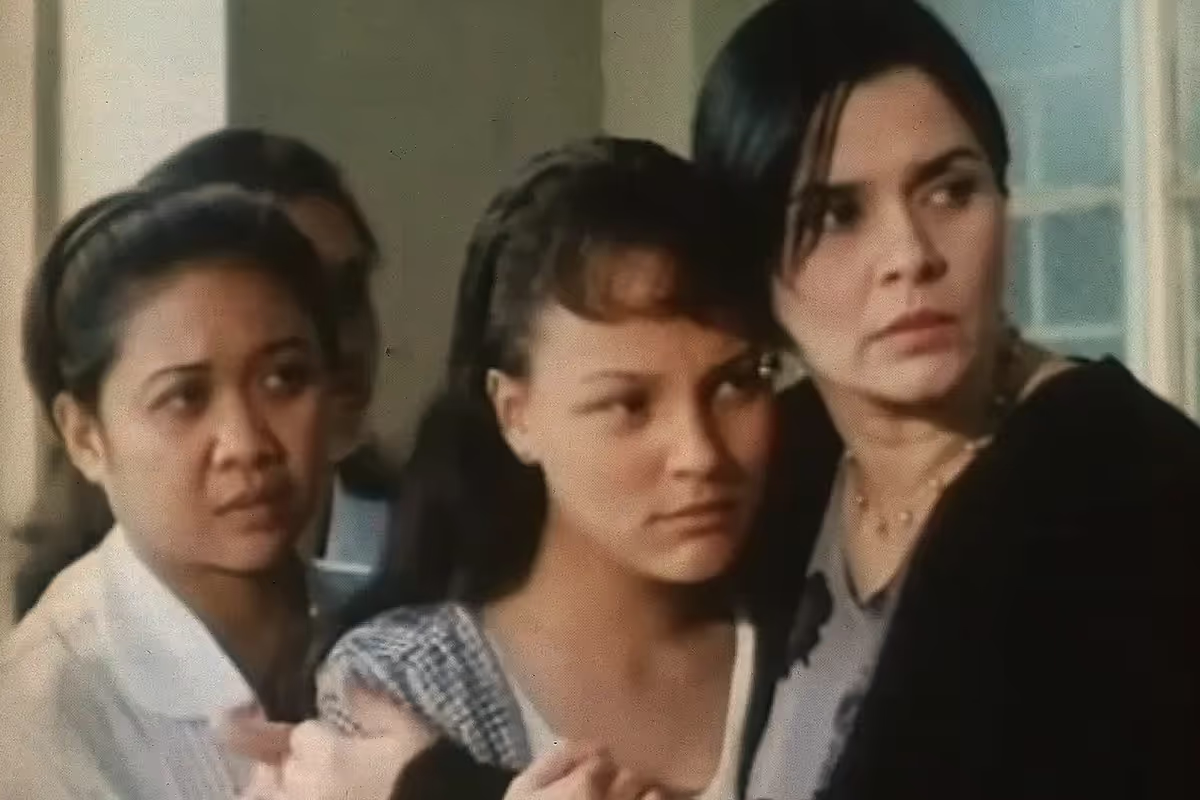
AT THE TURN OF THE CENTURY, Filipino auteur and master filmmaker Mario O’Hara made Pangarap ng Puso, a production with the bones of a studio film but the heart of an artist with much on their mind. Alternatively titled Mga Bulong ng Demonyo (the film’s English title is, simply, Demons), the film posed as a star vehicle for its lead, Matet De Leon, who, at the time, was being shepherded on the same path as her adoptive mother and bona fide movie star, Nora Aunor. The film’s genre-bending literary romance, its strong principal and ancillary cast, and O’Hara’s newfound liberation from old filmmaking techniques cohere into a one-of-a-kind, magical realist story about a country unable to exorcise its demons.
I wasn’t sure which film to recommend following the last pick, Erik Matti’s Pa-Siyam. I figured people’s disposition for all things grave and darkly hadn’t yet waned from Halloween, so I picked out this largely overlooked Regal Films gem that cloaked (or tried to, anyway) under its populist premise of young love a harrowing look at the horrid things happening around us and ones stirring from within.
That rhetoric about internal demons is less interesting (some would say unnecessary) than the rest of the film, a plot point brought on to thematically anchor the love story. De Leon’s Nena is the daughter of a haciendera, a whipsmart and headstrong young woman with a predilection for poetry and folk tales. As a child, her relatively secluded existence on Negros Island let her avoid the clasp of Ferdinand Marcos Sr.’s dictatorship, but not its lasting imprints. There are talks of military men lurking for NPA rebels in the forest, a presence as unshakable as the kapre that courts Nena’s yaya, Virginia (Eugene Domingo).
The fact that Pangarap ng Puso exists under the banner of a mainstream studio like Regal is baffling; the film was released in 2000 under an administration known for its counterinsurgency. Now, an impeached corrupt president, Joseph “Erap” Estrada, has oscillating views on peace talks with insurgent groups. What remains, then, in the late ‘80s when the film is set, and now, are the social unrest, hostility, and perfunctory attempts at dismantling the truth. Fitting, then (and sad), that so few Filipinos know about the film.
Folklore, mythology, and poetry are crucial characters in the film. Stories help surface (and bury) essential truths, as subsequent films like Alvin Yapan’s feminist film Ang Panggagahasa Kay Fe, Raya Martin’s stirring Independencia, and more recently, Lav Diaz’s musical short (by Lav standards) Ang Panahon ng Halimaw, venture to point out. The poetry part is most enticing; a standout scene finds Nena delivering a beautiful poem as her finger locks with Jose (Alex Alano), whose stricken and guarded gaze perfectly captures what it’s like living amongst demons.