
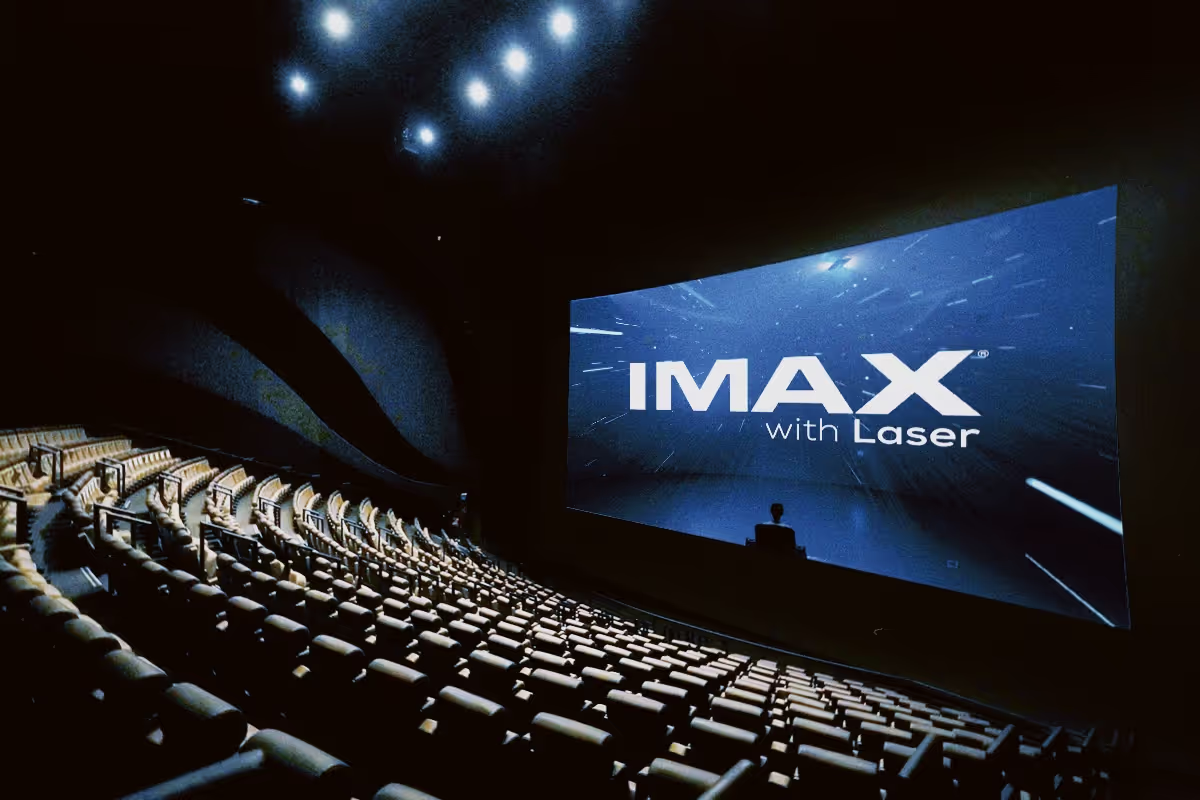
IS IT BETTER TO WATCH a film or be inside one? That's the question IMAX theater operators hope you'd ponder to justify paying extra for going to the movies. Yet, for serious moviegoers, that premium is worth it. The larger screen, the more immersive experience, and—with certain titles—the superior format in which to watch them.
Everyone, it seems, likes to sing it praises, be they capital-C cinephiles or casual film fans. Some days ago I heard a friend call it the equivalent of 'filmmaxxing,' in the sense that it is technically bigger film stock projected horizontally. The result, they point out, is film at its highest definition and most "cinematic." And yes, that friend is a true-blue millennial unironically using a Gen Alpha term to the tune of that Steve Buscemi meme, but I digress.
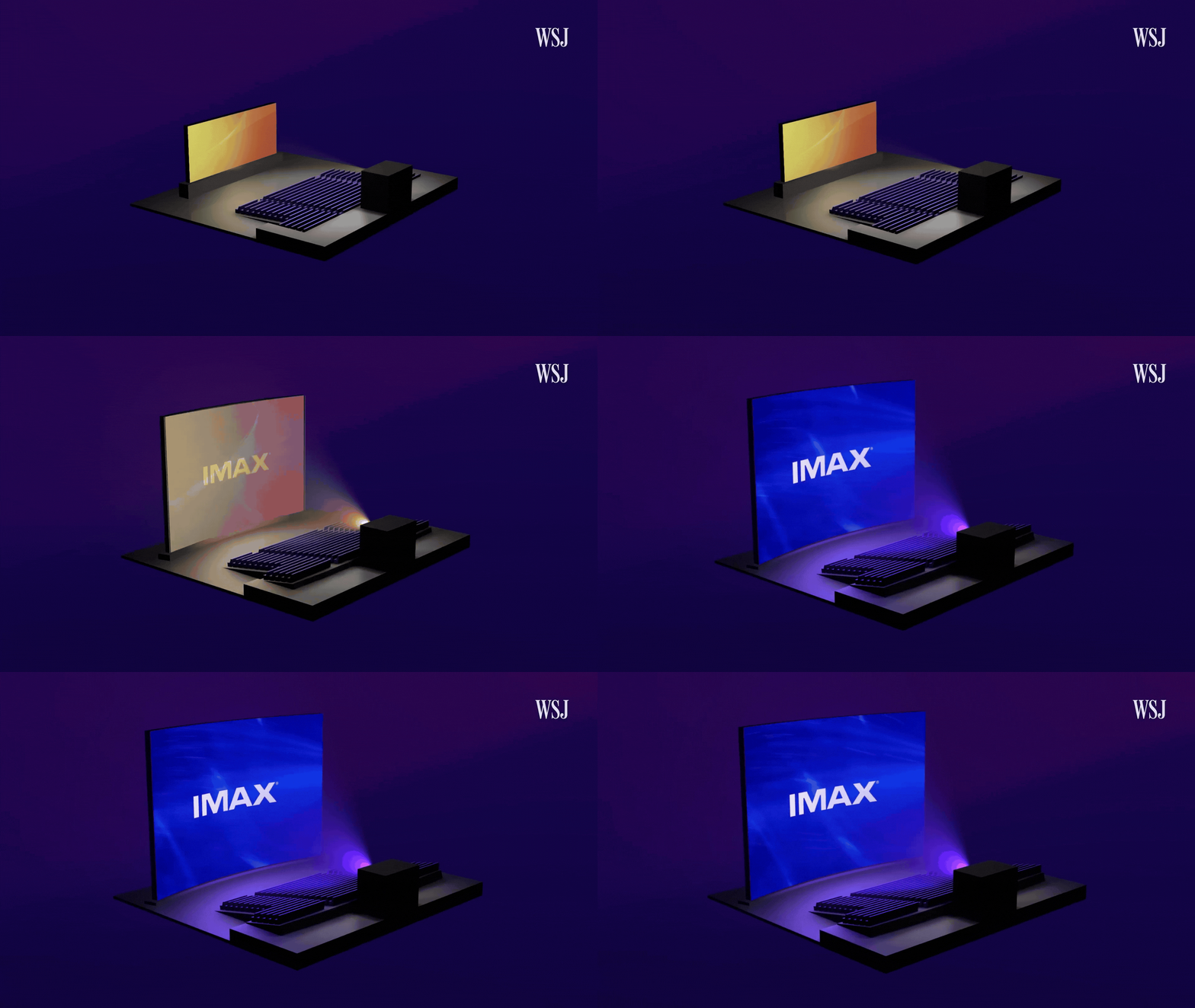
But is that all? What's so special about a film system that living filmmaking legends can't shut up about it? With only a small bit of reluctance (per usual), I tip my fedora hat on, hoist up my detective spyglass, and get to the bottom of it in this Sine Files guide on IMAX cinemas in the Philippines.
What is IMAX?
IMAX is a high-res film format considered by many as the gold standard for filmmaking. They're not throwing around the term "high-res" loosely here: IMAX is nearly nine times larger than the typical 35mm film. It uses a 70mm film stock that comes with fifteen perforations (instead of the four in 35mm) and is shot and projected horizontally rather than vertically. This is also why filmmakers nickname it 15/70.
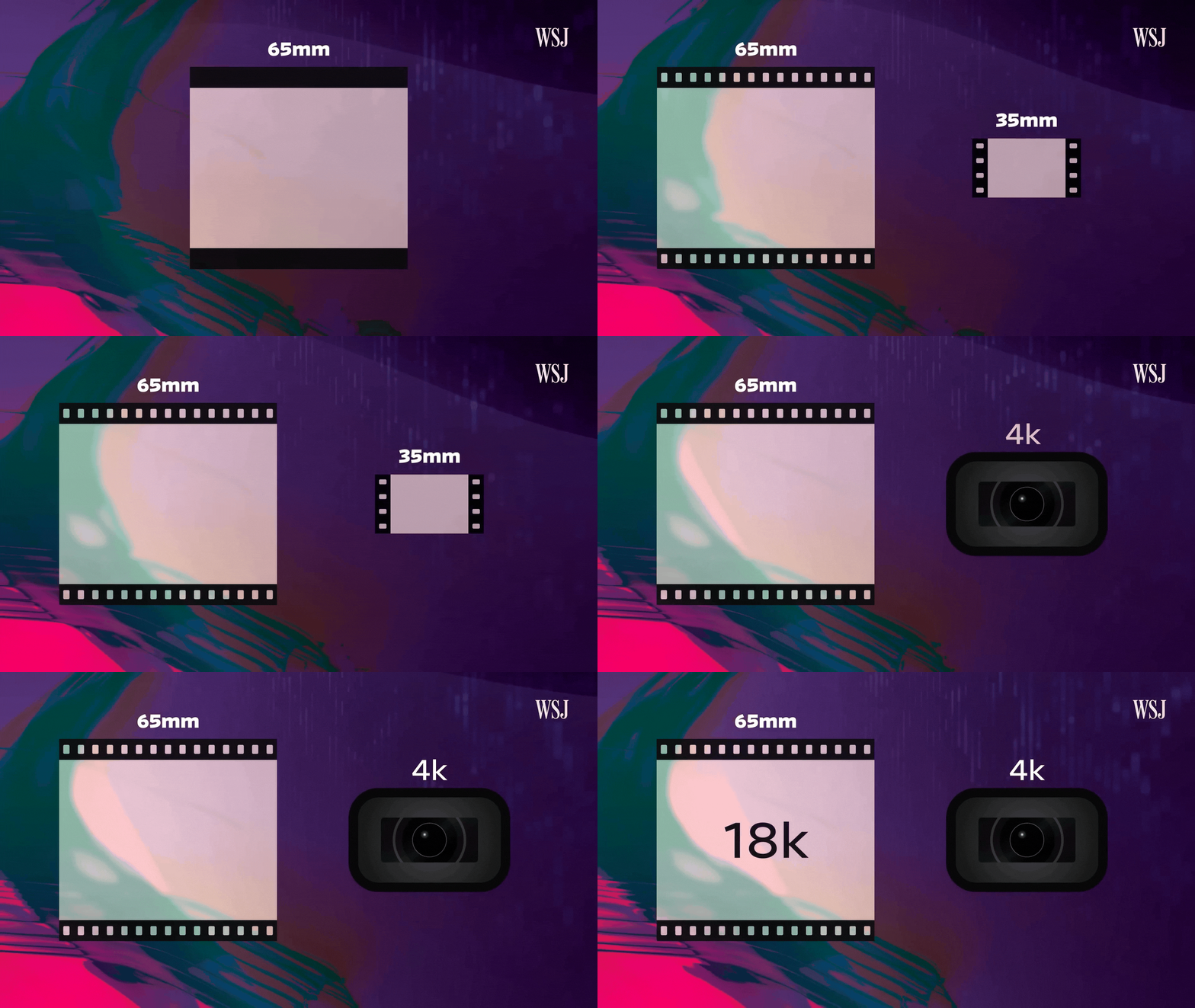
In one of the rare cases where digital technologies are absolutely smoked by analog, IMAX film produces a negative with an image quality—in terms of resolution, dynamic range, color fidelity, the whole nine yards—that remains unmatched by digital cameras. The audio, too, might be better than Dolby Atmos (hot take, maybe, chill it with your pitchforks). IMAX's precision sound is technically channel-based and calibrated to the exact dimensions of each theater, pronouncing more of the film's scale rather than its subtlety.
 Armando Dela Cruz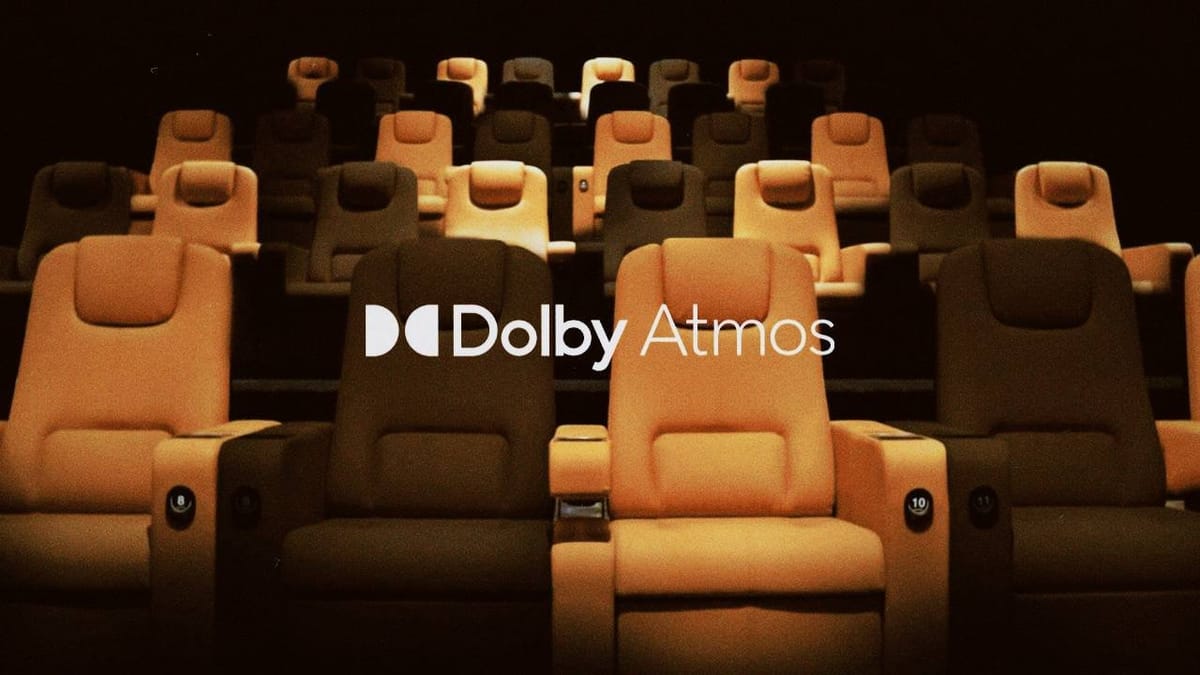
If it sounds too film bro-y, it's because it is. It's hard not to see it as nothing more than a technical spec, yet another detail for every ADHD'd-out cinephile to hyperfixate on, but modern examples have made a good case otherwise. No, I'm not talking about Christopher Nolan or Denis Villenueve, who are kind of the poster boys for all of this. I'm talking about Ryan Coogler's Sinners, whose use of the frame just felt purposeful and so considered; so often shot-in-IMAX films play up the enormity of the frame, but in Coogler's hands, the frame intensifies the film's atmosphere. (I'd also be remiss not mentioning Coogler's team did shoot the film both in IMAX and Ultra PanaVision, which just gives viewers more options of experiencing his film.)

The different types of IMAX
Not all IMAX theaters are created equal. There are a handful of variants keen moviegoers should know about. Just because you see the brand on the marquee, it doesn't mean you're getting the exact experience you have in mind.
IMAX 15/70 Film
The original IMAX 70mm film stock, shot, packaged, and shown horizontally. There are fewer than thirty that still run globally, mostly in the States. There are currently none in the Philippines.
IMAX Xenon Digital
The first digital generation of IMAX. It runs on twin xenon-lamp projectors. It was the standard for every IMAX theater in the country until the last few years, but the newer laser systems have kind of rendered them outdated.
IMAX with Laser GT
IMAX's flagship dual-projector laser system. It can project the natrive 1.43:1 frame, which is why a lot of filmmakers like Christopher Nolan and Denis Villeneuve favor this premium, seemingly gold-standard format. Sadly, as of writing time, we don't have a Laser GT IMAX theater yet in the Philippines.
IMAX with Laser CoLa
Rated for screens up to 24.4 meters wide, Laser CoLa theaters (short for Commercial Laser) use a single-projector laser system that projects extremely bright and sharp imagery. However, it's only limited to a 1.90:1 aspect ratio, which isn't quite the same as the iconic 1.43:1 of the 15/70 film. SM Mall of Asia and Vista Evia, arguably two of the largest movie screens in the Philippines, run IMAX CoLa.
IMAX with Laser XT
Probably the most popular variant in the Philippines, XT was first introduced in 2001 to replace older digital IMAX installations. Also limited to 1.90:1, Laser XT theaters are still good, but they are designed mostly for smaller houses.
 Armando Dela Cruz
List of IMAX cinemas in Metro Manila
IMAX at SM Mall of Asia
7th Floor, MOA Square, Seashell Lane cor. Coral Way, Mall of Asia Complex, Pasay City
System: IMAX with Laser (CoLa) | 1.90:1 | largest IMAX screen in the country (24m wide)
IMAX at SM Megamall
5th Floor, Mega Fashion Hall, SM Megamall, Ortigas, Mandaluyong City
System: IMAX with Laser (XT) | 1.90:1
IMAX at SM North EDSA
The Block, SM City North EDSA, North Avenue corner EDSA, Quezon City
System: IMAX with Laser (XT) | 1.90:1
IMAX at SM Aura Premier
5th Floor, SM Aura Premier, McKinley Parkway, Fort Bonifacio, Taguig City
System: IMAX with Laser (XT) | 1.90:1
IMAX at SM Southmall
3rd Floor, SM Southmall, Alabang–Zapote Road, Las Piñas City
System: IMAX with Laser (XT) | 1.90:1
IMAX at Vista Cinemas Evia Lifestyle Center
4th Floor, Vista Cinemas, Evia Lifestyle Center, Vista Alabang, Daang Hari Road, Almanza Dos, Las Piñas City
System: IMAX with Laser (CoLa) | 1.90:1
List of IMAX cinemas in Metro Manila
IMAX at SM City Iloilo
SM City Iloilo, Benigno Aquino Jr. Avenue, Mandurriao, Iloilo City
System: IMAX with Laser (XT) | 1.90:1 | 407 seats
IMAX at SM City Cebu
3rd Floor, SM City Cebu, North Reclamation Area, Cebu City
System: IMAX with Laser | 1.90:1 | 363 seats
IMAX at SM City Clark
SM City Clark, Mexico, Pampanga
System: IMAX with Laser (XT) | 1.90:1
IMAX at SM Lanang Premier
SM Lanang Premier, J.P. Laurel Avenue, Lanang, Davao City
System: IMAX with Laser (XT) | 1.90:1