
QCinema 2025: One 'film city' to the world
QCinema programs a wealth of local and Asian filmmaking visions for its first year as a UNESCO Creative City. Here's your Unreel festival guide.

A list of films—beyond the typical Holy Week picks such as 'Himala' or 'Pa-Siyam'—to watch during the Lent.


THE LENTEN SEASON may be a time for people to go on out-of-town trips or much-needed breathers from work; for most Filipino families, this is a time of reflection, meditation, and prayer. I grew up in the '90s; my memory of Holy Weeks is one where you're not allowed to listen to loud music or frolic in the streets because—as adults grumble in their most ominous voice—"Jesus is dead."
At least television was permitted as long as the volume was minimal and faint. The only options we had back then were noontime drama specials, films about Jesus' crucifixions, and what seems to be a yearly loop of Ishmael Bernal's Himala, Maryo J. de los Reyes' Magnifico, Laurice Guillen's Tanging Yaman, or Rory B. Quintos' Anak—or, if you're lucky, Erik Matti's Pa-Siyam. These are rightly Filipino classics and can hit you with a sweet wave of nostalgia, but in case you wanted different flavors and textures this Holy Week...

...here are 11 Filipino films to watch this Holy Week apart from the usual picks. My picks aren't boxed in to drama or horror too much. These are films that I would have enjoyed seeing if they were broadcast on the airwaves during the Lenten season. To echo Ate Guy in the film, in this list: "Walang Himala!"
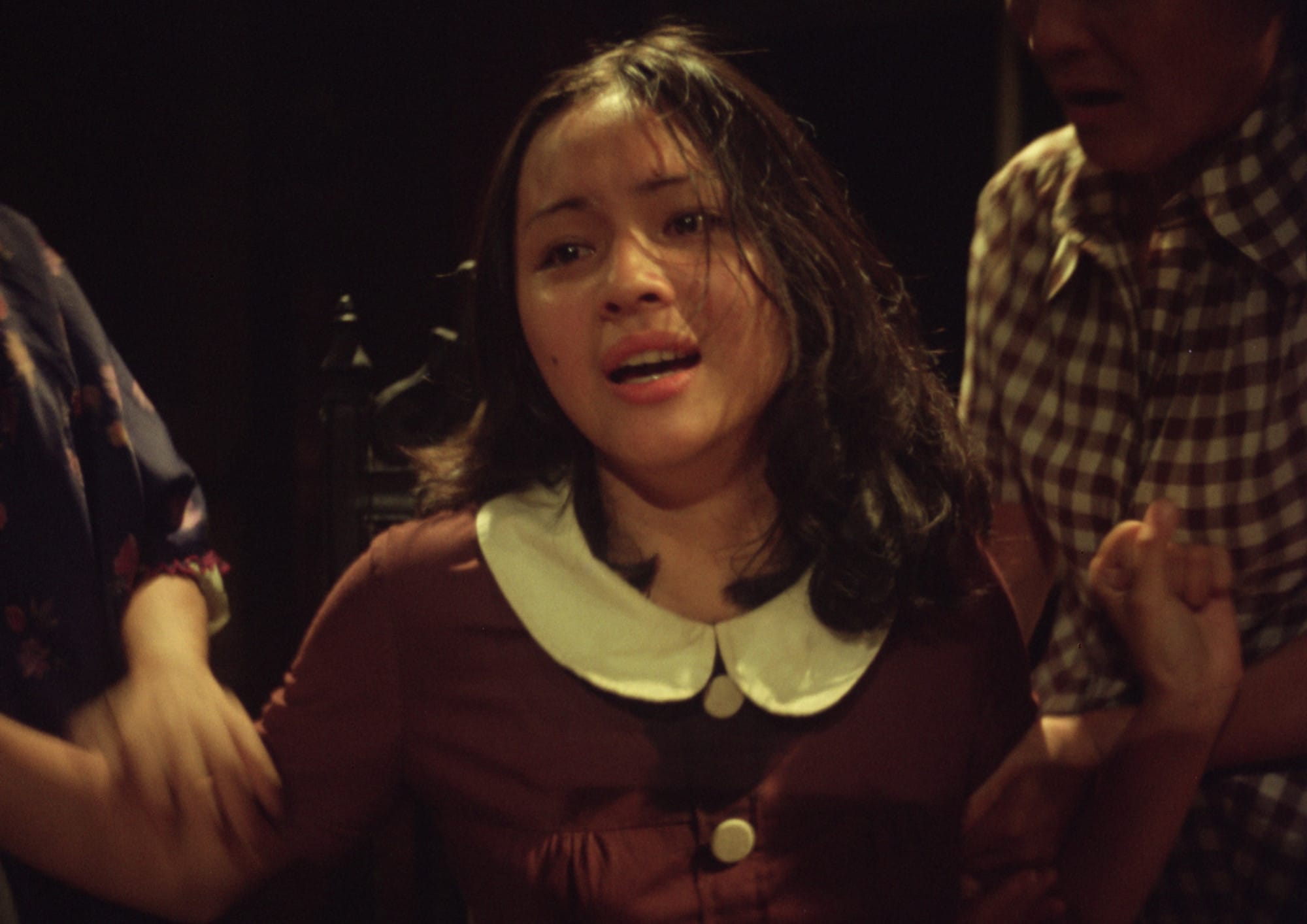
Mike De Leon's atmospheric debut feature is considered by many as one of the most terrifying Filipino films, and that can be attributed to that scene with the religious statues (if you've seen the film, you know which scene I'm talking about).
The film follows an estranged photographer, played by Tommy Abuel, who gets infatuated with a "probinsyana," played by Charo Santos, who happens to be plagued with strange, seemingly supernatural visions. This is the quintessential "mahal na araw" film in my book: the tone, the deliberate pace, and the sense of dread—it all just constitutes a vibe that feels apt for the season.
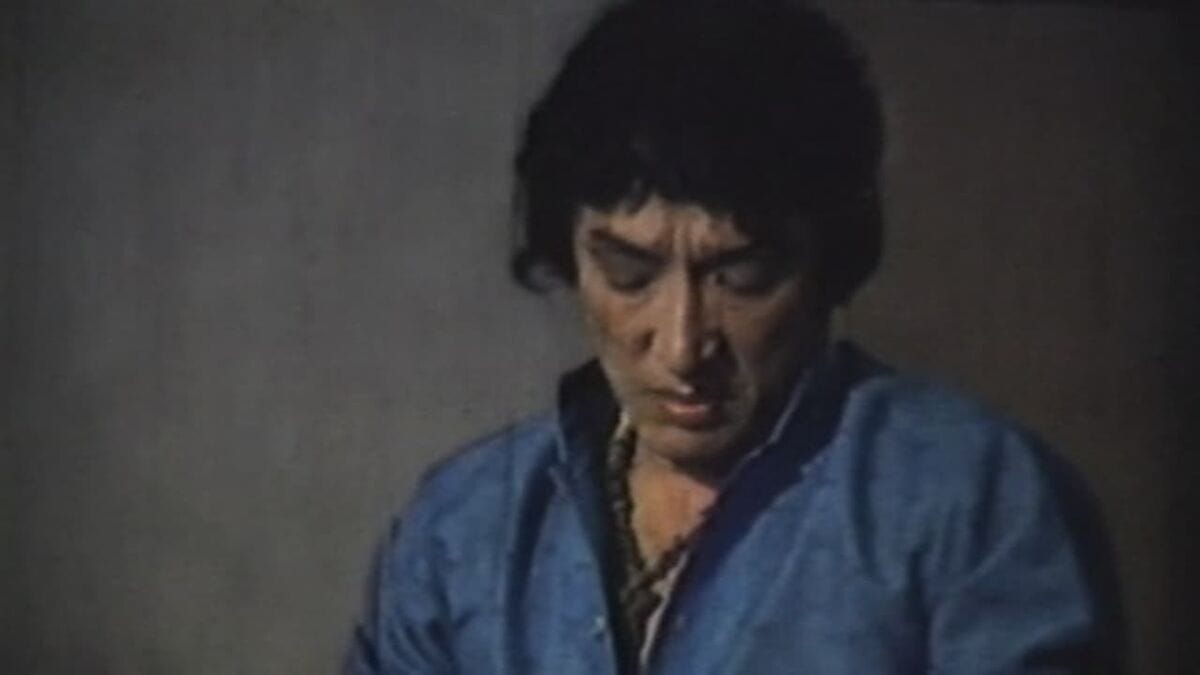
A film that's truly ahead of its time, Lino Brocka’s Ang Tatay Kong Nanay stars Dolphy as Coring, a transgender beautician who finds herself in an unusual predicament when her lover leaves his baby behind. Coring takes it upon herself to raise the child, bearing the brunt (and gift) of being both father and mother to a stranger's child.
Anchored on themes of family and identity, the film is a clear reminder that love transcends gender. In one scene, Coring is asked if even once in her life, she felt ashamed about who she is. Tearful, she replies, "Bakit ako mahihiya?” (Why should I be ashamed?
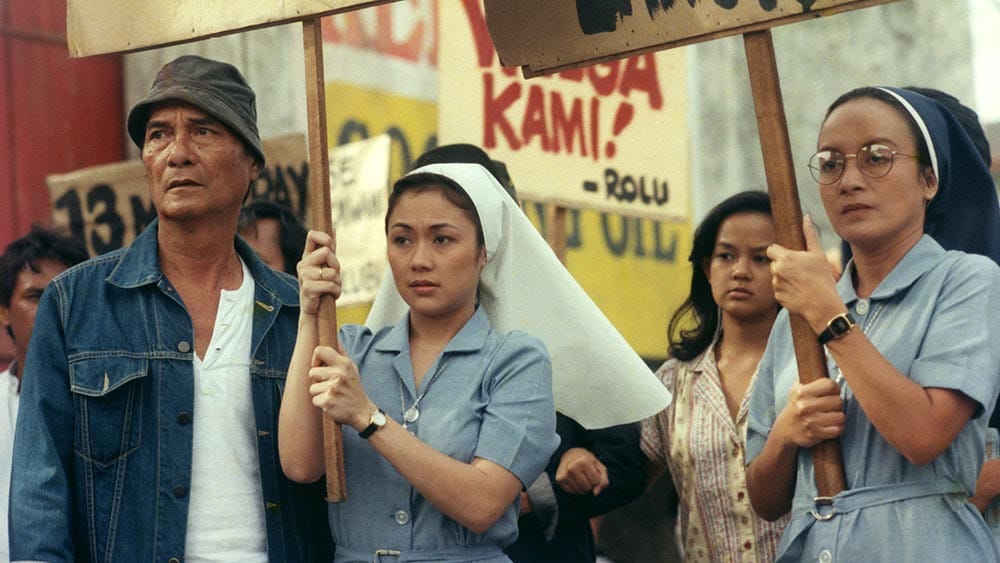
Sister Stella Legaspi has become one of Vilma Santos’ iconic roles, and her speech where her character rallies for “katarungan para kay ‘Ka Dencio (justice for 'Ka Dencio)," has gone down as one of her most memorable and moving performances.
Considered among the few films to be expressly critical of the Marcos dictatorship, Mike de Leon’s Sister Stella L is the story of a nun-turned-activist who goes on to the streets to protest the anti-poor labor practices of the government, a film that shines the light on the strength of the human spirit.
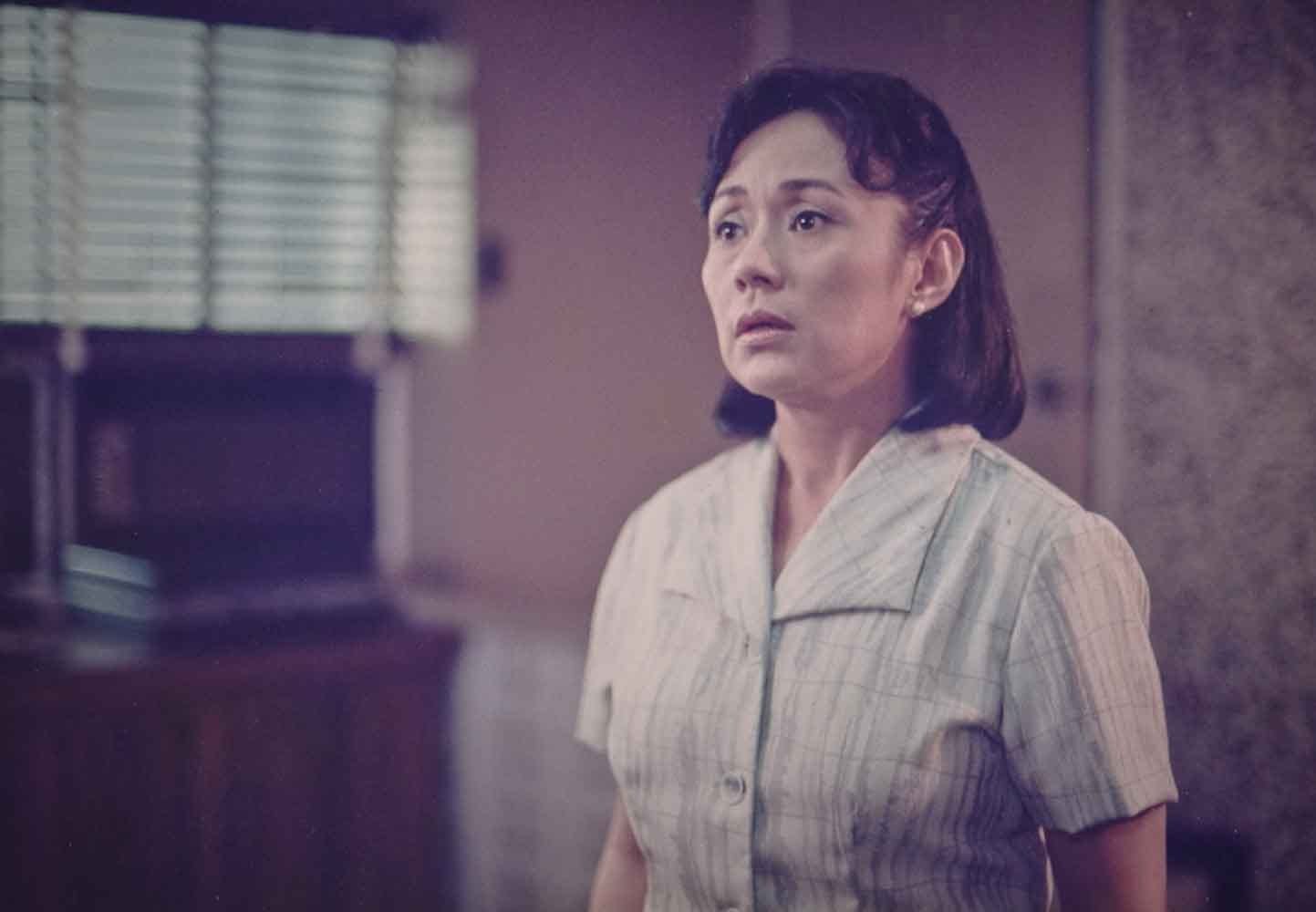
Chito S. Roño’s adaptation of Lualhati Bautista’s novel is a must-see, especially now that historical revisionists are trying to make us forget what really happened in the Martial Law era. Dekada ’70 appeals greatly to anyone who is ready to listen and understand the historical context of that decade.
Revolving around a middle-class family, Dekada '70 tackles the issues of a normal family in a period of civil unrest. The film tells the story of matriarch named Amanda, played by Vilma Santos, who endured seeing the aftermath of her son joining the movement against Marcos. The film openly confronts, at both individual and social levels, the ills that plague the country.
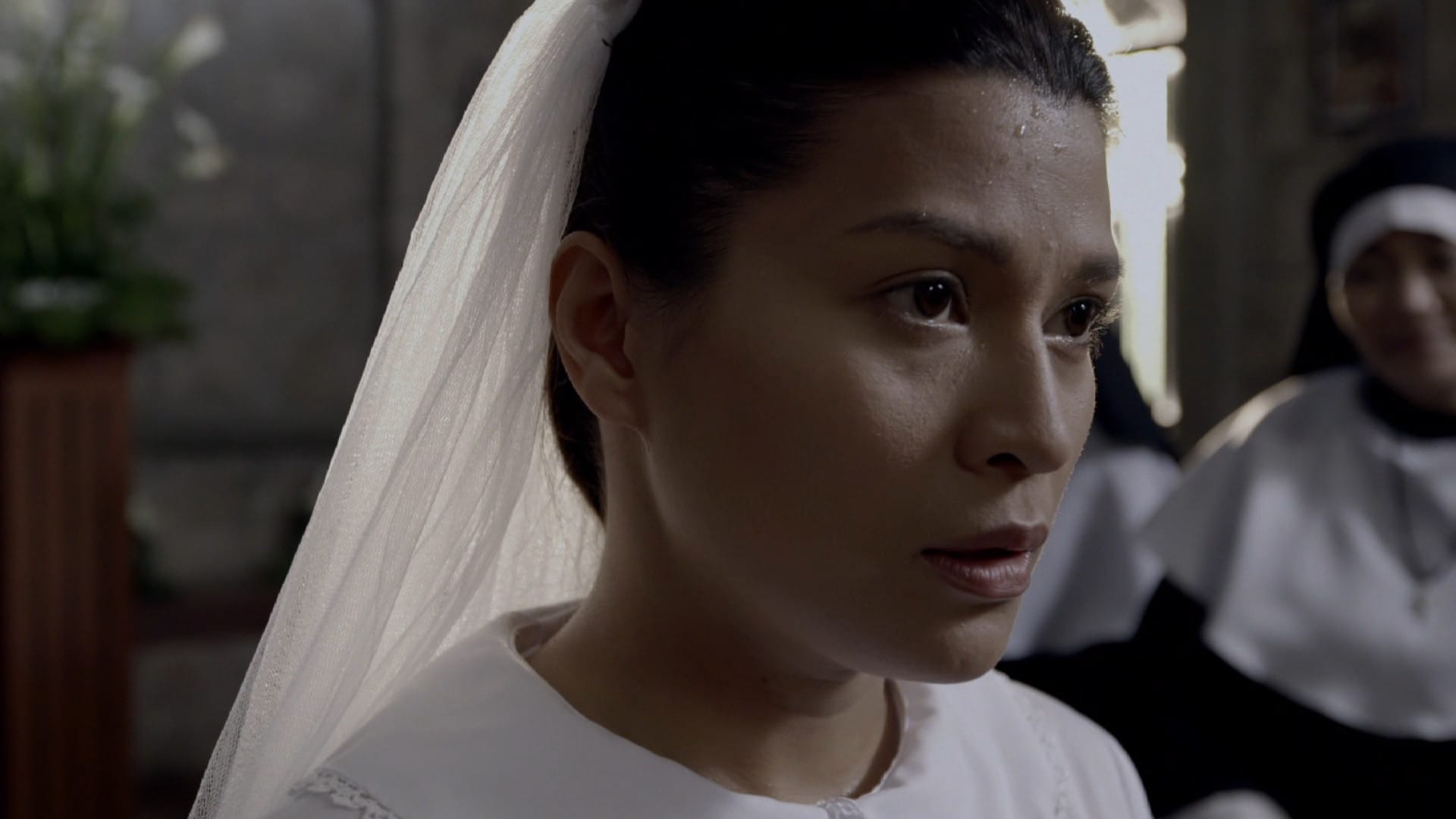
Before Lingua Franca, Isabel Sandoval's filmography had this film as its shining highlight: a psychological drama set in a pre-Martial Law period and about Sister Remy and Sister Lourdes, who are nuns from an isolated monastery in the mountainous province of Rizal. One night, sister Lourdes is assaulted by bandits, putting the monastery in a state of unease and terror.
Aparisyon tackles morality, sin, faith, and guilt by making you ask yourself: at a time of unrest and injustice, how long will you be a bystander? What is the cost of one–nay, the people's—silence? It is a perfect reminder that “silence encourages the tormentor, never the tormented."
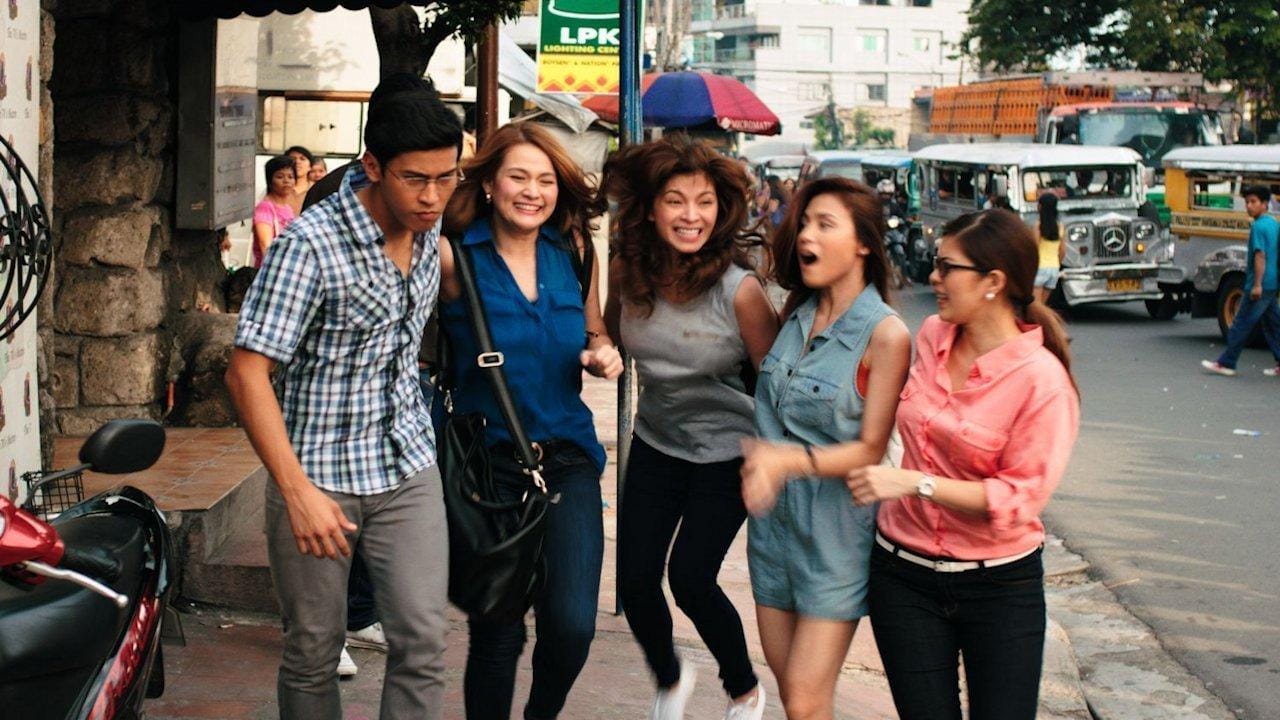
CJ (Enchong Dee)—the youngest and only son in the Salazar family—announces that he is going to be married to his then-four-month girlfriend, Princess (Angeline Quinto). His four elder sisters Teddi (Toni Gonzaga), Bobbie (Bea Alonzo), Alex (Angel Locsin), and Gabbie (Shaine Magdayao) all think this is a bad idea, so they come up with schemes to prevent the wedding.

This Star Cinema film is memorable to me for a couple of reasons: Firstly, the family confrontation scene, where Bea Alonzo’s character births the meme, “Bakit parang kasalanan ko." Secondly, and more satisfyingly, is the fact that we have an extremely satisfying scene where Angel Locsin’s character drags Mocha Uson by her hair. Oh, and the fact that this is also a tear-jerking comedy-drama about family.

Loy Arcena’s 2017 Cinemalaya entry is an adaptation of Rolando Tinio’s Larawan, The Musical, which in turn is based on Nick Joaquin’s A Portrait of the Artist as Filipino. Set in pre-World War II Intramuros, Ang Larawan is about Candida and Paula Marasigan—daughters of the famous painter, Don Marasigan—as they deal with financial struggles when their father is no longer able to paint.
Given the film's setting, the story has plenty of Christian elements in the backdrop; it even features the real image of the Virgin of La Naval to recreate the La Naval Procession in Old Manila. The film also highlights the importance of family and tradition and tells us that relationships, faith, and resilience can help you overcome difficulties.
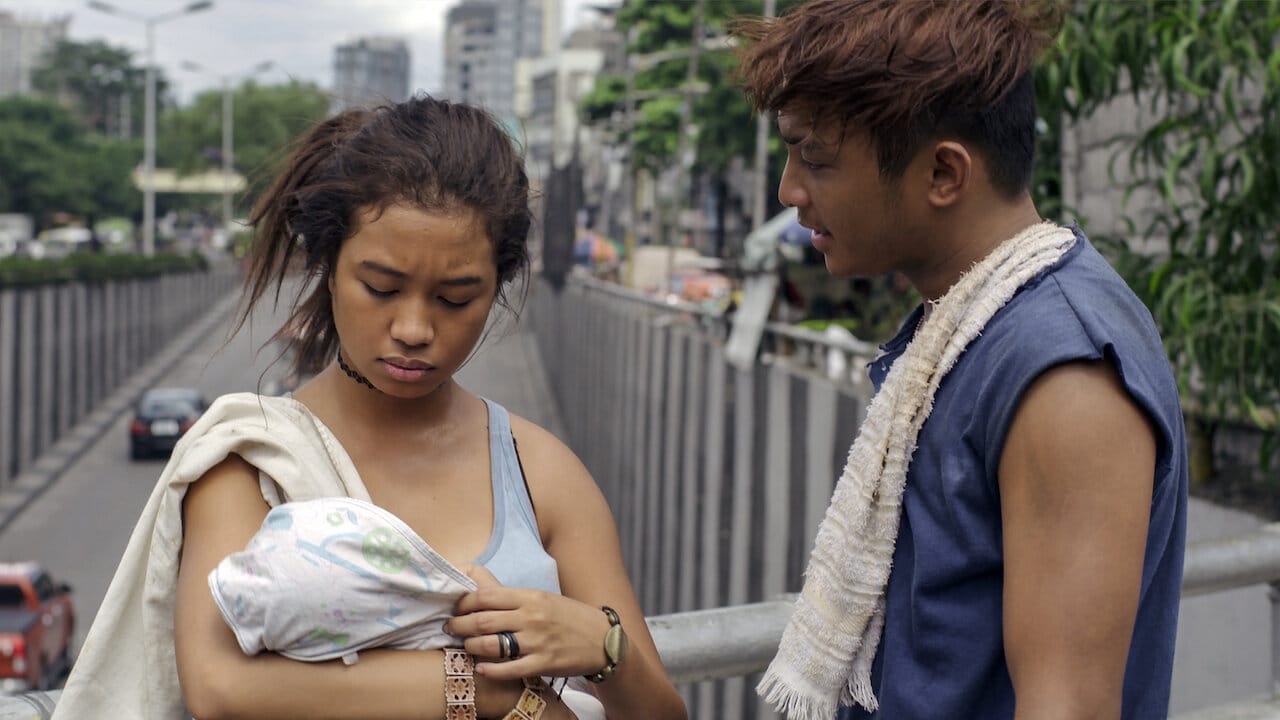
Another acclaimed Cinemalaya entry, Pamilya Ordinaryo follows two homeless teenagers and the tragedy of losing their baby. The movie gives us a no-holds-barred, in-your-face (read: honest) depiction of the inhuman state that the country leaves its marginalized citizens. Though bonded and resilient, the pair of indigents exhaust their meager options in finding their lost child.
The film immerses you in the grime and the muck of homelessness, but never to the point where its characters are devoid of their dignity. Pamilya Ordinaryo confronts the country's tendency to forsake its people, even though they carry far heavier baggage than the typical Filipino.
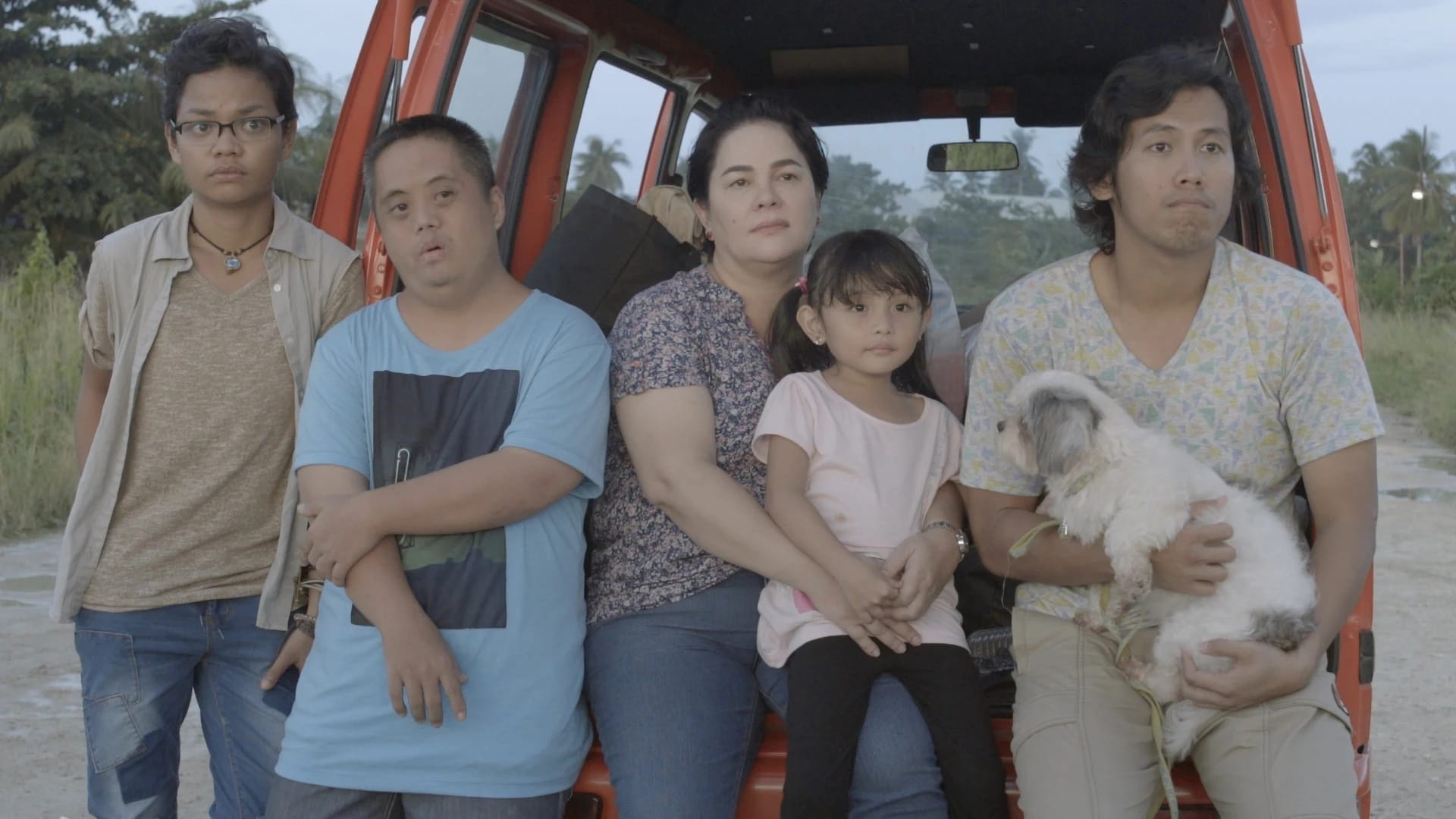
Before you start screaming "blasphemy," know that the “Hesus” referred to in this Cebuano film’s title is not the religious figure. Iyay (Jacklyn Jose) is a single mother who brings her children on a trip from Cebu to Dumaguete to attend the wake of their recently deceased father named Hesus. It turns out to be a road trip that will bring their family closer and one that they will never forget.
The film is peppered with several Catholic references, but it largely eschews religion and chooses to talk about what it means to be a family.
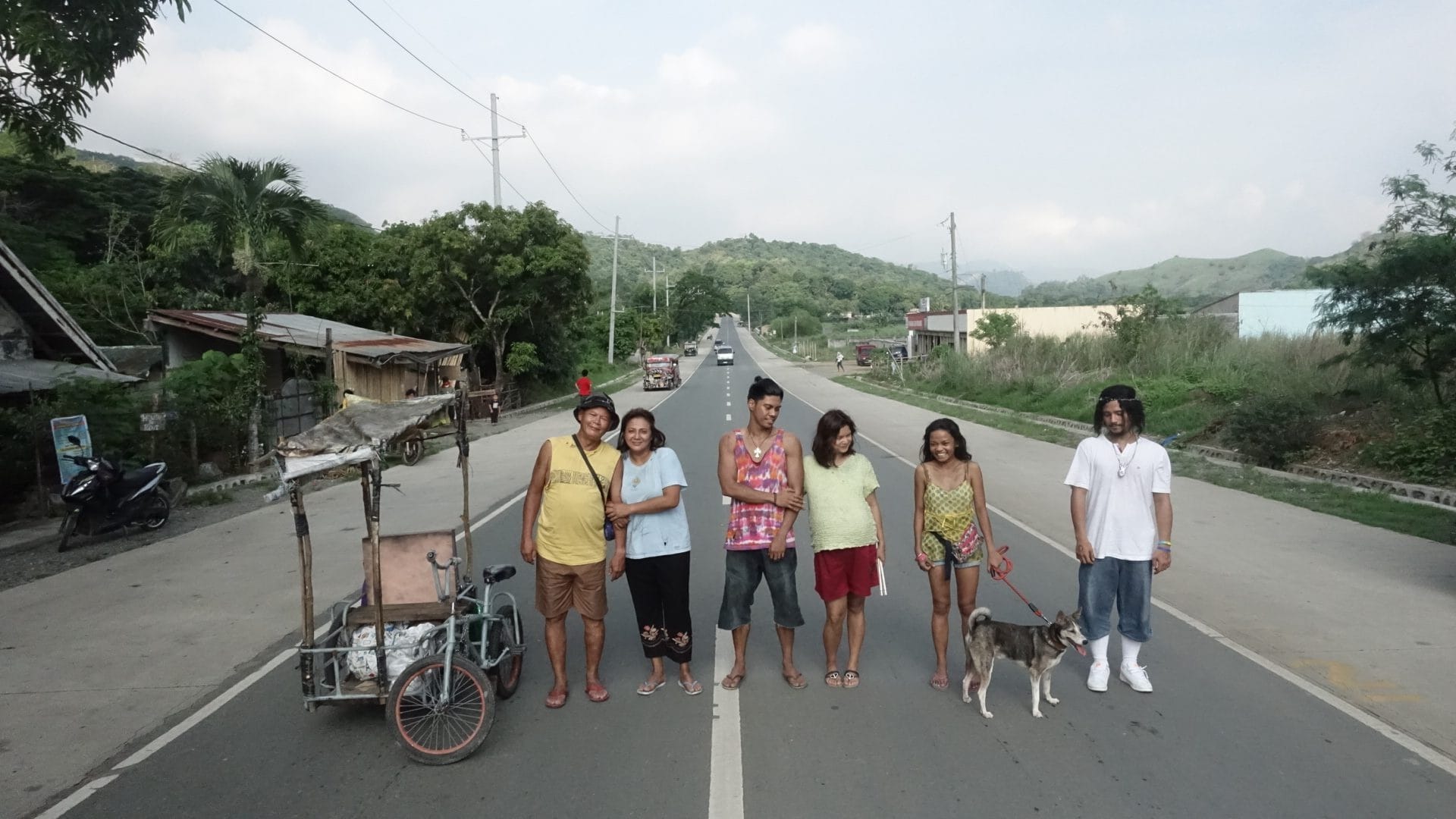
A poor family who lives in the slums of Manila wishes to go back to their province to live a better life. They cannot afford to ride the bus, so they take their chances and pedal their way to the province by riding two pedicabs. An ailing father; his tough-talking wife; a cigarette-vendor daughter; a thieving son; a blind and pregnant daughter-in-law (who occasionally has personal conversations with Jesus himself). Together with their dog named Kikay, they round up the cast of this unlikely "pedicab trip" movie.
As resilient as they are, the family realize that the road to home is anything but easy, and even with Jesus on their side, sacrifices are necessary. Pauwi Na is inspired by real-life events when director Paolo Villaluna read in the news about a family in Quezon City who tried to get home to Leyte by traveling on a pedicab.
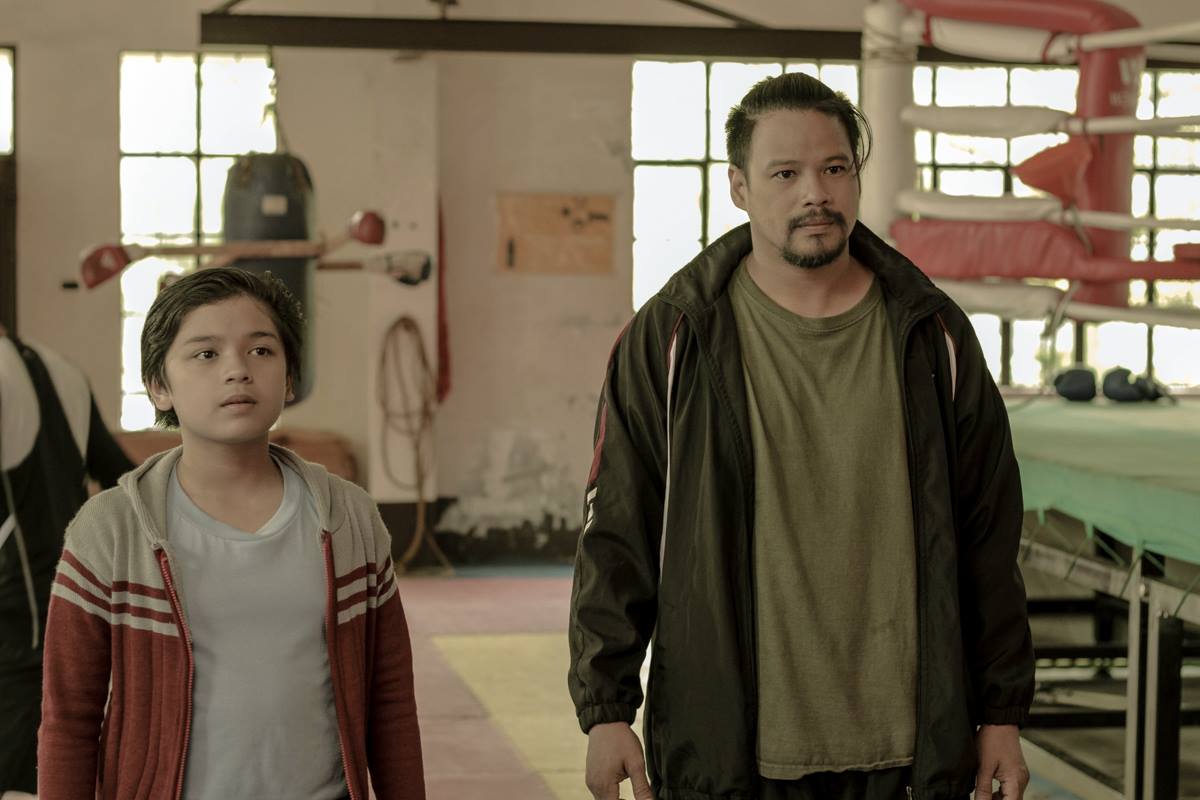
Kiko is a young boy who is left under the care of his nanny after the recent death of his mother. Burdened by having no close relative to turn to and no other family to console him other than his Yaya Diday, Kiko channels his energy into boxing. Along the way, he hopes to rekindle his relationship with his father, who used to be a decorated professional boxer.
Kiko Boksingero is a deliberately slow and earnest film about love, family, and dreams. It shows us that being family goes beyond blood relations.
QCinema programs a wealth of local and Asian filmmaking visions for its first year as a UNESCO Creative City. Here's your Unreel festival guide.
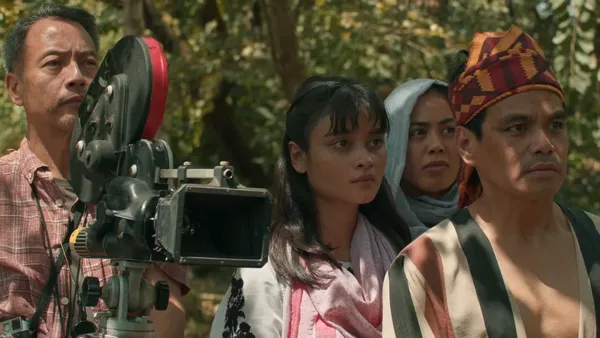
The twenty-first edition of Cinemalaya stares right at the eye of the storm, featuring a fresh new batch of Filipino features and shorts.

Satoko Yokohama's tender coming-of-age film made us take a trip to Aomori in northern Japan, a seemingly still prefecture at the crossing of customs and modern change.